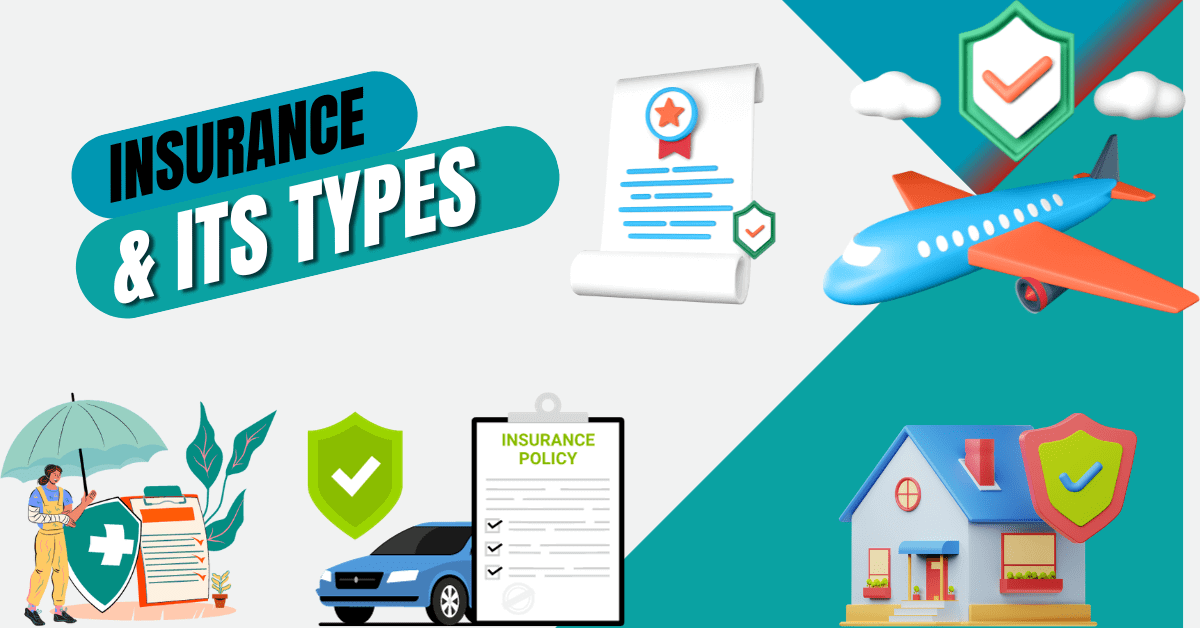
What is Insurance? Definition, Types, Pros & Cons 2026
Introduction
Insurance is a financial contract between a policyholder and an insurance company. The policyholder pays regular amounts, called premiums, to the insurance company. In return, the company provides financial compensation for specified losses, damages, or risks covered under the policy.
The purpose of insurance is simple: to protect you from the financial impact of unexpected events, so that individuals and businesses do not have to bear the full burden of a loss on their own.
This article aims to provide in-depth knowledge about insurance, types of insurances, some pros and cons of insurance.
Insurance is a financial contract between a policyholder and an insurance company. The policyholder pays regular amounts called premiums to the insurance company. In return, the company provides financial compensation for specified losses, damages, or risks covered under the policy.
The purpose of insurance is simple: to protect you from the financial impact of unexpected events, so that individuals and businesses don’t have to bear the full burden of a loss on their own.
Still unclear? Here’s how insurance works in real life:
- Auto Insurance
- Scenario: You accidentally bump into someone else’s car.
- Your auto insurance covers the repair costs for both vehicles (depending on your policy type), so you don’t have to pay entirely out of pocket.
- Health Insurance
- Scenario: You fall ill and need to be hospitalized.
- Your health insurance pays for the medical bills, protecting your savings from being wiped out by unexpected healthcare costs.
- Home Insurance
- Scenario: A fire breaks out in your home and damages your belongings.
- Your home insurance helps you repair or replace the damaged items, reducing the financial and emotional stress of recovery.
- Life Insurance
- Scenario: A family’s primary breadwinner passes away unexpectedly.
- The life insurance policy pays out a lump sum to the family left behind, providing financial stability during an incredibly difficult time.
- Travel Insurance
- Scenario: Your luggage is lost during a flight.
- Your travel insurance covers the cost of replacing your belongings, so you’re not stranded without your essentials at your destination.
Types of Insurance
Different types of policies address a wide range of needs, offering individuals and businesses a financial safety net against unexpected setbacks. Here is a general overview of the main categories
What is Life Insurance?

Life insurance is a contract between a policyholder and an insurer, where the insurer promises to pay a specific sum of money to the nominated beneficiaries upon the death of the insured, in exchange for regular premiums. It provides peace of mind and financial security for your loved ones when they need it most.
Types of Life Insurance
There are two main types:
Term Life Insurance covers the policyholder for a specific period typically 10, 20, or 30 years. If the insured passes away during this term, the beneficiaries receive the death benefit. If the policy expires before the insured’s death, no payout is made.
Permanent Life Insurance provides lifelong protection. Unlike term plans, it includes a cash value component that grows over time. The policyholder can borrow against this value or withdraw from it as needed.
Health Insurance

Health insurance is a contract between a policyholder and an insurer, where the insurer agrees to pay for medical expenses incurred due to illness or injury, in exchange for regular premiums. A good health plan protects individuals and families from the often crippling costs of unexpected medical care.
Types of Health Insurance
- Individual Health Plan: Covers the medical expenses of a single person, including hospitalization, pre- and post-hospitalization, daycare treatments, and maternity care. Ideal for those who want personalized control over their healthcare decisions.
- Family Floater Plan: Covers an entire family under a single premium, making it a cost-effective option for households with multiple members. Benefits are similar to individual plans, though premiums and deductibles may be slightly higher.
- Critical Illness Plan: Pays a lump sum upon diagnosis of a serious condition such as cancer, heart attack, or stroke. The payout can be used for medical expenses, lost income, or any other financial need arising from the illness.
- Senior Citizen Health Plan: Specifically designed for older adults, these plans typically have lower deductibles and may cover conditions common in seniors, such as arthritis and osteoporosis.
- Top-Up Health Plan: Provides additional protection beyond the limits of an existing policy. Useful for individuals with higher medical risk due to pre-existing conditions or lifestyle factors.
- Unit-Linked Health Plan: Combines health protection with an investment component. These plans offer the potential for higher returns but carry investment risk, making them suitable for those comfortable with market-linked products.
Auto Insurance
Auto insurance is mandatory for all motor vehicle owners in India. It protects against financial losses arising from accidents, theft, fire, or other unforeseen events, and also covers third-party liabilities such as bodily injuries or property damage caused by your vehicle.
In India, auto insurance is regulated by the Motor Vehicles Act, 1988, which requires all vehicle owners to maintain at least third-party cover. Failure to comply can result in a fine of up to INR 50,000.
Types of Auto Insurance
- Third-Party Liability: The most basic and legally mandatory plan for all vehicles in India. It covers bodily injuries and property damage caused to a third party due to an accident involving your vehicle.
- Comprehensive Plan: A broader option that covers both third-party liabilities and damage to your own vehicle. It protects against financial losses from accidents, theft, natural disasters, and vandalism.
Home Insurance

Home insurance is a contract between a policyholder and an insurer, where the insurer agrees to compensate the policyholder or their mortgage lender if the home is damaged or destroyed by a covered event. It helps homeowners avoid bearing the full cost of repairs or rebuilding after a disaster.
Types of Home Insurance
- Basic Fire and Burglary Plan: Offers fundamental protection against the two most common threats — fire and theft. It covers structural damage and contents loss caused by fire, lightning, and allied perils, as well as burglary-related losses.
- Comprehensive Home Plan: Covers a wide range of risks including fire, burglary, natural calamities, riots, and accidental damage to your home’s contents. This is the most extensive option for protecting your property and belongings.
Disability Insurance

Disability insurance pays a portion of your income if you are unable to work due to a disabling condition. The definition of “disability” varies by policy but generally refers to any condition that prevents you from performing the duties of your regular occupation.
Types of Disability insurance
- Short-Term Disability: Provides income replacement for disabilities lasting up to 52 weeks. Benefits typically begin after a waiting period of 7–14 days and are useful for situations like a broken bone or post-surgery recovery.
- Long-Term Disability: Covers extended disabilities lasting up to age 65. Benefits begin after a longer waiting period of 90–180 days and are designed for serious conditions such as stroke, chronic illness, or permanent injury.
- Group Disability: Offered by employers to their employees, this is generally more affordable than individual plans but may provide less comprehensive protection.
- Individual Disability: Purchased independently, these plans offer greater flexibility and broader coverage options, though they tend to cost more than group plans.
- Occupational Disability: Designed for people in high-risk professions, these plans offer enhanced benefits specifically for disabilities that prevent the insured from performing the duties of their particular occupation.
Travel Insurance

Travel insurance protects against the financial costs of unexpected events that can occur while traveling such as medical emergencies, trip cancellations, lost luggage, or emergency evacuation. It’s a smart investment for anyone traveling domestically or internationally.
Types of Travel Insurance
- Single-Trip Plan: The most basic option, covering one trip to a specific destination. Typically includes medical emergencies, trip cancellation or interruption, lost or damaged luggage, and personal liability.
- Multi-Trip Plan: Covers multiple trips within a set period (usually one year). Ideal for frequent travelers and often includes additional benefits like lost passport assistance and emergency dental expenses.
- Student Travel Plan: Designed for students studying abroad. Covers medical emergencies, trip interruption, tuition fee protection, personal liability, and emergency repatriation.
- Senior Citizen Travel Plan: Tailored for older travelers, with coverage for pre-existing medical conditions, medical emergencies, trip cancellation, personal liability, and repatriation.
- Sports and Adventure Plan: For travelers engaging in activities like trekking, skiing, or scuba diving. Includes medical emergency cover, evacuation and rescue costs, trip interruption, and personal liability.
- Business Travel Plan: Covers corporate travelers with protection for medical emergencies, trip cancellation, business equipment, personal liability, and emergency repatriation.
- Comprehensive Travel Plan: The most complete option, combining all of the above with additional benefits such as legal assistance, dental expenses, and funeral costs.
Business Insurance

Business insurance protects companies from financial losses caused by unforeseen events such as property damage, theft, liability claims, and employee injuries. It is an essential safeguard for any business, large or small helping ensure long-term stability and continuity.
Types of Business Insurance
- Property Policy: Protects your business’s physical assets, buildings, machinery, inventory, and equipment against fire, theft, natural disasters, riots, and other covered perils. It reimburses repair or replacement costs, keeping your operations running.
- Liability Plan: Covers financial losses arising from third-party claims of bodily injury or property damage caused by your business activities, products, or services. It includes legal defense costs and any damages awarded.
- Workers’ Compensation: Mandatory coverage for employees who suffer work-related injuries or illnesses. It covers medical expenses, lost wages, and rehabilitation costs.
- Business Interruption Plan: Compensates for lost income and ongoing expenses when operations are disrupted by an insured event such as a fire, natural disaster, or equipment failure.
- Professional Liability (Errors & Omissions): Protects businesses providing professional services, such as consultants, lawyers, and accountants from claims of negligence or professional errors that cause financial harm to clients.
- Cyber Insurance: Shields businesses from the financial fallout of cyberattacks, including data breaches, ransomware, and cyber extortion. It covers data recovery, legal defense, and notification costs.
Who regulates Insurance in India?
In India, insurance is regulated by the Insurance Regulatory and Development Authority of India (IRDAI). Established under the Insurance Regulatory and Development Authority Act of 1999, IRDAI oversees and regulates the insurance industry, ensuring fair practices, protecting policyholder’s interests, and maintaining the stability and growth of the insurance sector in the country. Compliance with IRDAI guidelines is crucial for companies, enabling transparency and reliability within the sector.
Pros and Cons of having insurance
Pros of Having Insurance
- Financial Protection Against the Unexpected Life is unpredictable. A single medical emergency, accident, or natural disaster can wipe out years of savings. Insurance ensures that when the unexpected happens, you have a financial safety net in place, so one bad event does not derail your entire financial life.
- Peace of Mind Knowing you are covered allows you to go about your daily life without constant anxiety over what could go wrong. This peace of mind has real value, particularly for breadwinners who carry financial responsibility for their families.
- Risk Sharing Insurance works because risk is spread across a large pool of policyholders. No single individual bears the full cost of a loss. This collective model makes financial protection accessible and affordable for everyone.
- Legal Compliance Certain types of insurance, such as third-party auto insurance in India, are legally mandatory. Having the right policy keeps you compliant with the law and protects you from fines, legal liability, and penalties.
- Access to Better Healthcare A good health policy gives you access to quality medical care without worrying about the bill. Cashless hospitalization facilities at network hospitals mean you can focus on recovery rather than arranging funds at short notice.
- Tax Benefits Premiums paid towards life and health policies qualify for significant tax deductions under Sections 80C and 80D of the Income Tax Act, making insurance a dual-purpose financial tool that protects and saves at the same time.
Cons of Having Insurance
- Cost of Premiums Premiums are an ongoing expense regardless of whether you ever make a claim. For individuals on tight budgets, maintaining multiple policies can feel like a significant financial commitment, especially in years when no claims are made.
- Coverage Limitations and Exclusions No policy covers everything. Most come with exclusions, waiting periods, sub-limits, and conditions that can catch policyholders off guard at claim time. Reading the fine print before purchasing is essential but often overlooked.
- Complexity of Policy Terms Insurance documents are notoriously difficult to understand. Jargon-heavy terms and conditions can make it hard for ordinary policyholders to fully grasp what they are and are not covered for, leading to misplaced expectations.
- Risk of Claim Rejection Claims can be denied due to non-disclosure of pre-existing conditions, missing documentation, or filing outside the stipulated time window. While avoidable, claim rejections remain a genuine concern and a common source of frustration.
- Potential for Over-reliance Having comprehensive coverage can sometimes lead to complacency. Some policyholders may take greater risks, whether with their health, driving habits, or property maintenance, assuming the policy will cover any resulting losses.
Conclusion
Insurance is not a luxury. For individuals, families, and businesses in India, it is one of the most important financial decisions you can make. Whether you are protecting your health, your income, your home, or your family’s future, the right policy ensures that an unexpected event does not become a financial catastrophe. Start with understanding your needs, compare your options carefully, and review your coverage as your life evolves.

About the Author
MarketInsiderz Editorial Team
A team of finance professionals, investment enthusiasts, and personal finance writers dedicated to making financial topics simple and actionable for everyday Indians. Our content is thoroughly researched and regularly updated for accuracy.
Regulatory Disclaimer
The information provided in this article is for general educational and informational purposes only. It does not constitute financial, legal, or insurance advice. Insurance products and regulations in India are governed by the Insurance Regulatory and Development Authority of India (IRDAI). Policy terms, premiums, coverage, and benefits vary across insurers and products. Readers are advised to carefully read all policy documents and consult a licensed insurance advisor or financial planner before making any insurance-related decisions. MarketInsiderz is not responsible for any financial decisions made based on the information provided on this website.
FAQ
Insurance is a financial agreement between a policyholder and an insurance company. The policyholder pays regular premiums, and in return, the company provides financial support for specified losses, damages, or risks covered under the policy.
Coverage is essential for safeguarding your financial status against unexpected events like accidents or illnesses. It provides a safety net, mitigating the financial impact of unforeseen circumstances.
Insurance in India is regulated by the Insurance Regulatory and Development Authority of India (IRDAI), established under the Insurance Regulatory and Development Authority Act of 1999.
There are various types of insurance, including life coverage, health coverage, auto coverage, home coverage, disability coverage, travel coverage, and business coverage.
Auto Coverage in India is mandatory and regulated by the Motor Vehicles Act of 1988. It covers accidents, theft, fire, and third-party liabilities. Non-compliance can result in fines.
Life Coverage provides financial security for loved ones in the event of the insured person’s death. It promises a payout to nominated beneficiaries in exchange for premiums paid by the insured.
The two main types are term life coverage, which covers a specific period, and permanent life coverage, which provides coverage for the insured’s entire lifetime.
Health coverage pays a sum to policyholders or healthcare providers for medical expenses due to illness or injury. It protects individuals and families from unforeseen medical costs.
Term policy is a type of life coverage that provides coverage for a specific term. If the insured dies during the term, beneficiaries receive a death benefit.
Comprehensive Coverage is a type of auto insurance that covers damage to the insured vehicle from events other than collisions, such as theft, natural disasters, or vandalism
Third-party Policy covers liabilities arising from damage or injuries caused by the insured to a third party. It is mandatory for all vehicles in many jurisdictions.
A policy is a written contract between a policyholder and an insurance company outlining terms, conditions, coverage, and premiums.
A deductible is the amount a policyholder must pay out of pocket before the company starts covering the remaining costs.
Underwriting is the process of evaluating risks to determine if an applicant qualifies for policy coverage and, if so, at what premium rate.
Travel coverage provides coverage for unforeseen events during travel, such as trip cancellations, medical emergencies, lost luggage, and more.
Fire coverage covers damage or loss caused by fire, ensuring financial protection for property owners.
A premium is the amount a policyholder pays to an insurance company for coverage, often paid regularly (monthly or annually).
Insured Declared Value (IDV) is the maximum amount an insurer will pay in case of total loss or theft of a vehicle. It represents the vehicle’s current market value.
A claim is a request made by a policyholder to an insurance company for compensation or coverage for a covered loss or event.
Zero depreciation or “nil depreciation” is an add-on cover in car policies that provides full coverage for the cost of repairs without factoring in depreciation.
Copayment (copay) is the fixed amount a policyholder pays out of pocket for a covered healthcare service, with the insurer covering the remaining costs.
Insurance helps mitigate risk by spreading the financial impact of losses among a larger group, providing financial protection and stability for individuals and businesses.